
 Vendor Portal

.jpg)
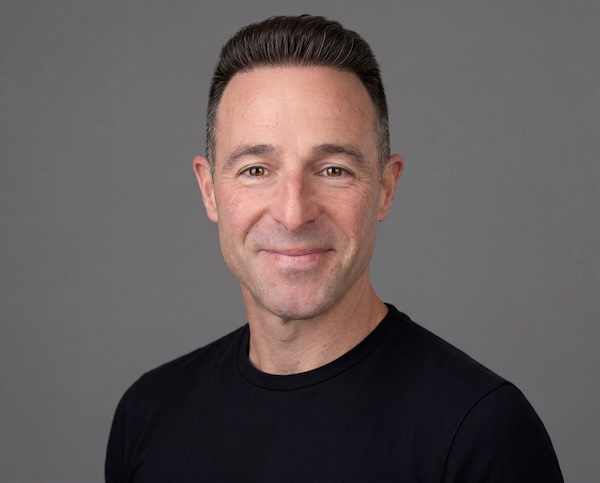
Author: Mark Ainely | Partner GC Realty & Development & Co-Host Straight Up Chicago Investor Podcast
Chicago renters are getting older, staying in rentals longer, and facing a housing market where buying a starter home has become increasingly difficult.
This week Tim and I broke down some surprising 2026 renter statistics, what those numbers mean for Chicago landlords, and why maintaining proper reserves matters after seeing a River North high-rise with concrete literally crumbling from its balconies.
We also touched on rental fraud, FHA condo changes, and why today’s market may create opportunities for investors willing to think long term.
2026 Chicago Renter Metrics Landlords Should Know
One of the most surprising numbers we discussed was renter age.
According to the data Tim brought to the episode, the median renter in the U.S. is now 41 years old.
That is a huge change.
Around 2000, that number was closer to the early 30s.
For landlords, that changes how we think about the renter population. Renting is no longer something people necessarily do for a couple years after college before buying a house.
A much larger group is renting well into adulthood.
We also discussed the median renter staying at the same address for approximately 3.3 years, with Chicago roughly in line with that national number.
That matters operationally.
A 22-year-old renter may move because of a relationship, job change, roommates, or buying their first home. A renter in their 40s may already have a more established family, career, and lifestyle.
That can mean longer tenancy when the property is well managed.
Another important number was household income.
The median renter household income discussed in the episode was about $56,000, while nearly half of renters were described as cost burdened.
In Chicago specifically, approximately 53.8% of households are renters.
That tells you why housing policy remains such a major political issue in the city.
But the bigger problem is still housing supply.
People who expected to rent for a few years and then buy are staying renters longer because the next step has become harder. Starter homes are expensive, inventory remains tight, and owners with low mortgage rates are less motivated to sell.
That slows the entire housing cycle.
For investors, it also means rental demand is not disappearing anytime soon.
River North Building Crumbling and Why Reserves Matter
We also looked at a River North high-rise where portions of the exterior concrete were visibly deteriorating around balconies.
You could see concrete falling away and parts of the structure underneath becoming exposed.
That is not the type of maintenance item you solve with a handyman and a couple hundred dollars.
On a large high-rise, exterior concrete restoration can become a massive capital project.
And that brought us back to something we talk about constantly: reserves.
A condo association can collect assessments for decades and still get into serious trouble if it does not plan correctly for major capital expenses.
Roofs, masonry, balconies, elevators, plumbing systems, windows, and structural repairs eventually come due.
The same principle applies to a landlord with a single-family house or small multifamily building.
Tim recommends keeping roughly three months of operating expenses available as reserves.
That does not mean three months of profit.
It means enough money to continue covering expenses if something goes wrong.
Maybe the tenant moves out unexpectedly.
Maybe you have an eviction.
Maybe the furnace dies.
Maybe the roof starts leaking.
The investors who usually get hurt are not necessarily the ones who bought the worst property. Sometimes they simply did not have enough reserves to survive a bad couple of months.
They hit one major repair, panic, and sell.
Then five years later, they look back at what the property would have been worth if they had been able to hold it.
Real estate investing is a long-term game, and reserves buy you time.
Rental Fraud, FHA Changes, and Opportunity For Investors
We also talked about a couple changes that investors should have on their radar.
One is tenant application fraud.
AI is making fake documents easier to create, but it is also making fraud easier to detect.
Modern screening systems can analyze pay stubs, IDs, formatting, document history, and other information to identify signs that something has been altered.
We have even seen situations where applicants submit documentation separately by email instead of through the screening system.
That is an immediate reason to slow down and verify what you are looking at.
For self-managing landlords, screening technology is becoming less optional.
Fraudsters know that smaller landlords may not have the same systems a professional property management company uses, which is exactly why they may target “for rent by owner” listings.
We also discussed FHA changes affecting condos.
The episode covered the removal of a previous restriction that made FHA financing more difficult in condo buildings with high percentages of renters.
If implemented as discussed, that can expand the buyer pool for condos that previously had financing limitations.
That matters for investors looking to resell.
A condo that was difficult to sell because FHA buyers could not qualify may suddenly have access to a larger group of potential purchasers.
At the same time, the reserve requirements for condo associations may become stricter.
And after looking at what happened with the River North building, requiring stronger reserves does not sound unreasonable.
The broader opportunity is that buyers remain cautious.
Rates have started moving, sales activity has slowed, and sellers may have to become more realistic.
For investors, a slower market is not necessarily bad.
Sometimes the best time to buy is when fewer people are competing with you.
Common Questions
Q: What is the median age of a renter today?
A: The figure discussed in the episode was approximately 41 years old nationally.
Q: How long does the average renter stay at one address?
A: About 3.3 years according to the data discussed, with Chicago roughly in line with the national figure.
Q: How much should a rental property owner keep in reserves?
A: Tim recommends approximately three months of property expenses so an owner can handle vacancies, major repairs, or other unexpected problems.
Show Notes and Timestamps
01:03 Latest Chicago PRO update and City Hall priorities
03:14 Housing market slowdown and declining home sales
05:04 Rental renewals and keeping rents close to market
08:22 Why Chicago’s housing supply remains the bigger problem
10:12 2026 renter demographics and median renter age
16:40 How long renters stay in one property
17:12 Median renter income and cost-burdened households
19:11 FHA condo financing changes for investors
22:48 River North high-rise exterior deterioration
24:48 How much landlords should keep in reserves
Key Takeaways
The median renter is getting older, which could support longer-term rental demand.
Chicago remains a majority-renter city, making rental housing an important part of the local housing market.
Owners and condo associations need reserves before major repairs become emergencies.
Tenant screening technology is becoming increasingly important as document fraud becomes easier to create.
Guest Information
Mark Ainley
Founder & Partner – GC Realty & Development
Podcast Co-Host – Straight Up Chicago Investor
Tim Harstad
Founder – Chicago Style Management
Because finding good tenants and property management shouldn’t feel like online dating.
Dear Investor,
If you are an investor in either the city or suburbs of Chicago, I would love to speak with you about how we can help you on your real estate journey. At GC Realty & Development LLC, we help hundreds of Chicagoland real estate owners and brokers each year manage their assets with both full service property management and tenant placement services.
We understand that every investor’s goals are unique, and we love learning about each client’s individual needs. If there is an opportunity to help you buy back your time by managing your rental property or finding quality tenants, please check us out.
Best Investing,

Founder, Partner, Podcast Co-Host, and Investor