
 Vendor Portal
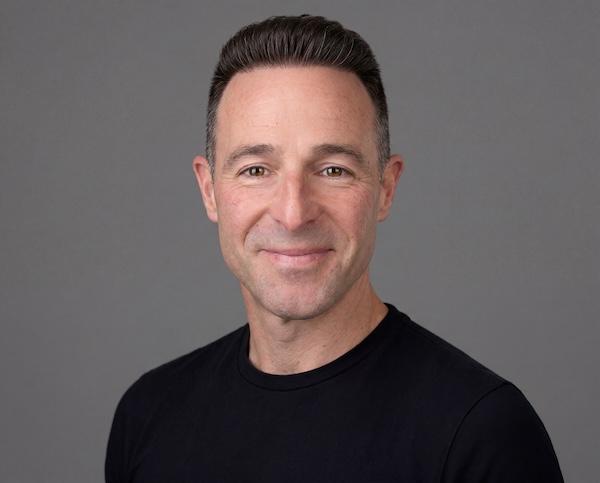
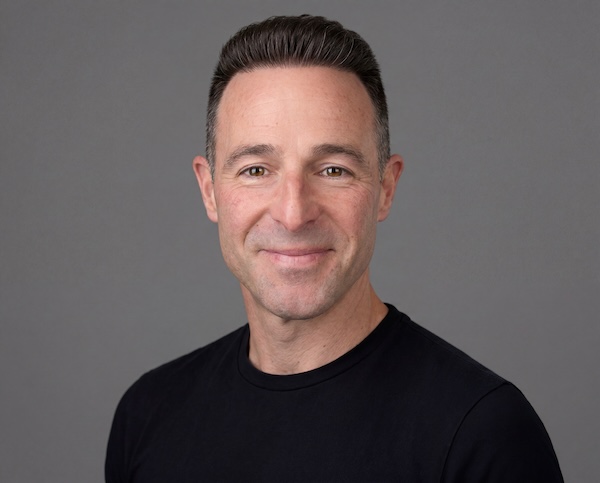
Author: Mark Ainely | Partner GC Realty & Development & Co-Host Straight Up Chicago Investor Podcast
Week 37 of Chicago Landlord Secrets brought another update on Chicago’s proposed rental law changes, but once again the biggest development was that there was no final vote.
Tim and I also got into a topic that comes up constantly with owners: treating a rental property like a real business. That means budgeting for maintenance, planning ahead for major repairs, and understanding that cash flow is only one way real estate creates wealth.
We finished with a practical landlord game about which features are worth installing, which ones are worth keeping, and which ones create more headaches than value.
Chicago PRO Update
Another City Council meeting came and went without a final vote on the competing rental proposals.
According to Tim, the expectation was that FAIR might come up for a vote, but support was not solid enough. Some aldermen apparently wanted more compromise before committing, so the vote was pulled and delayed again.
That keeps landlords in the same position we have been in for weeks: waiting.
The big question now is whether the competing sides negotiate and produce some kind of compromise, or whether both sides dig in and this stretches closer to the election.
Either way, timing is becoming a real issue.
If a major rewrite of Chicago’s landlord-tenant rules passes late in the year, landlords, attorneys, property managers, and organizations that produce standard leases would have very little time to update documents and procedures.
That is not a small change.
A new ordinance could mean new lease language, disclosures, registration requirements, notices, fees, and internal procedures.
Tim made another point that keeps coming up in these conversations: some of the proposed rules overlap with laws that are already changing at the state level.
For landlords, the safest approach right now is not to speculate about every possible version.
Keep watching the process.
Once there is actual final language, then the industry can figure out what needs to change operationally.
Treat Your Rental Like A Business
One of the best questions in this episode came from a listener asking how we get experienced landlords to think about asset protection instead of only short-term yield.
The answer starts with preventive maintenance.
If you own a rental property, you cannot look at every $150 or $300 expense like it is taking money away from you.
Sometimes that expense is protecting you from a $5,000 or $10,000 problem later.
Furnace cleanings are a simple example.
You may not want to spend the money today, but skipping routine service can lead to an emergency HVAC call in the middle of the night or a full replacement earlier than necessary.
Same thing with gutters.
Cleaning them in the spring and fall is not exciting, but ignoring them can create water intrusion, fascia damage, foundation problems, and much larger repair bills.
Tuckpointing is another one.
A masonry issue usually does not get cheaper when you ignore it.
What starts as a small repair can turn into a much larger section of failing mortar or damaged brick.
That is why the onboarding process matters.
When we take over a property, the goal is not to tell the owner that everything needs to be replaced immediately.
The goal is to say:
This roof probably has a couple years left.
This brick needs attention.
This furnace is aging.
This system is working today, but we should start budgeting for the day it does not.
That is how you manage a rental as a business.
You plan.
You reserve money.
You make decisions based on the long-term health of the asset instead of trying to maximize every single month.
Cash Flow Is Not The Whole Investment
We also spent time talking about one of the biggest misunderstandings in real estate investing: cash flow.
Cash flow matters.
But it is not the only return.
A lot of investors judge a property based on whether they made $300 or $500 that month.
That is too narrow.
Real estate can create returns through cash flow, appreciation, debt paydown, tax benefits, and leverage.
A property might have a bad month because you replaced a roof.
That does not automatically mean the investment lost money.
If you spend $20,000 on a roof while the property appreciates significantly and your tenant continues paying down the mortgage, you still need to look at the entire investment.
We talked about how strange it is that investors understand this with stocks but sometimes forget it with real estate.
If your 401(k) goes up 20%, you do not say the return does not count because the money is still inside the account.
It is unrealized, but it is still part of your net worth.
Real estate works the same way.
That is also why reserves matter so much.
If one major repair forces you to sell a property, the problem may not have been the property.
The problem may have been that the investment was undercapitalized from the beginning.
We have both seen owners sell after one difficult year, then watch that same neighborhood appreciate dramatically over the next five or ten years.
Sometimes selling is absolutely the right move.
But owners should not confuse a short-term cash flow problem with a bad long-term asset.
Questions We Answer in This Episode
Q: Did Chicago vote on PRO or FAIR this week?
A: No. The vote discussed in the episode was delayed again while aldermen continued looking for compromise.
Q: What is the biggest mindset shift landlords need to make?
A: Stop treating every maintenance expense like lost profit. Some spending protects the property and prevents larger future costs.
Q: Is cash flow the most important part of real estate investing?
A: No. Cash flow is one return, but appreciation, principal paydown, tax benefits, and leverage also matter.
Q: Should landlords always hold instead of sell?
A: No. Every property is different, but a temporary cash flow problem should not automatically force a sale if the long-term fundamentals are still strong.
Q: What should landlords budget for?
A: Furnaces, roofs, masonry, gutters, HVAC, and other major systems should be planned for before they fail.
Show Notes and Timestamps
00:16 Week 37 of Chicago Landlord Secrets
00:55 Latest Chicago PRO and FAIR update
02:20 Why the FAIR vote was delayed again
03:21 Could compromise happen before a final vote?
04:25 How quickly could new landlord rules actually take effect?
08:34 New laws and landlord compliance challenges
19:53 Treating rental property like a business
20:36 Preventive maintenance and long-term asset protection
24:04 Why cash flow is only one part of real estate returns
33:05 Install It, Keep It, or Remove It landlord game
Key Takeaways for Chicago Landlords
PRO and FAIR remain unresolved, and landlords should continue watching for final language instead of guessing.
New regulations can create operational problems if owners do not have enough time to update leases and procedures.
Preventive maintenance protects long-term value and usually costs less than emergency repairs.
A rental property is a business, and businesses require reinvestment.
Cash flow is important, but it is only one part of total real estate return.
Strong reserves can be the difference between surviving a bad year and being forced to sell a good property.
The best owners think in years, not months.
Guest Information
Mark Ainley
Founder & Partner – GC Realty & Development
Podcast Co-Host – Straight Up Chicago Investor
Tim Harstad
Founder – Chicago Style Management
Because finding good tenants and property management shouldn’t feel like online dating.
%20(3)%20(1)_3.png)
_1.png)
Dear Investor,
If you are an investor in either the city or suburbs of Chicago, I would love to speak with you about how we can help you on your real estate journey. At GC Realty & Development LLC, we help hundreds of Chicagoland real estate owners and brokers each year manage their assets with both full service property management and tenant placement services.
We understand that every investor’s goals are unique, and we love learning about each client’s individual needs. If there is an opportunity to help you buy back your time by managing your rental property or finding quality tenants, please check us out.
Best Investing,

Founder, Partner, Podcast Co-Host, and Investor