
 Vendor Portal
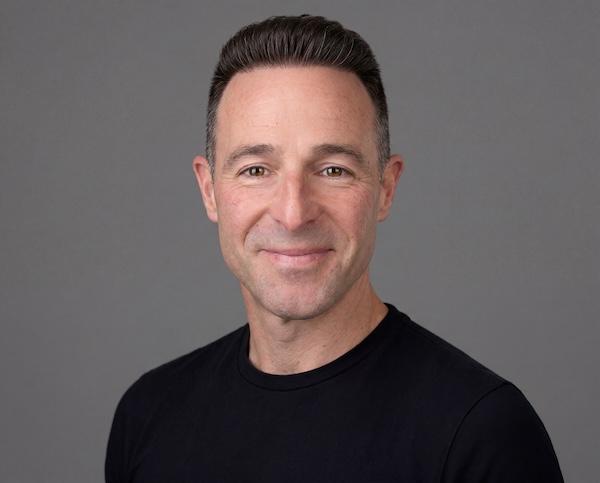
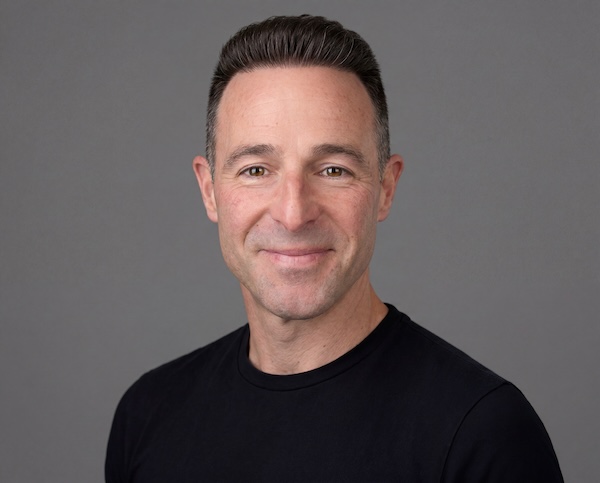
Author: Mark Ainely | Partner GC Realty & Development & Co-Host Straight Up Chicago Investor Podcast
Most Chicago landlords don’t get in trouble because they’re lazy. They get in trouble because they’re busy.
Busy answering resident texts at night. Busy chasing vendors during work hours. Busy trying to remember which suburb needs what disclosure, what timeline, what inspection, what “special form” someone forgot to sign. Busy doing the kind of tasks that feel productive but don’t actually move you closer to the reason you bought rental property in the first place: wealth and freedom.
This interview with Mark kept coming back to one central idea: wealth isn’t built by doing more work. It’s built by doing the right work, faster, and building systems that keep you from getting dragged into the weeds.
Here’s the short, Chicago-landlord version of the lessons.
The first real “wealth moment” is usually simple
Mark’s first property story wasn’t fancy. He bought a two-bedroom condo in Schaumburg at 21 and rented out both bedrooms. He slept on the couch.
And that’s when it clicked: if other people’s rent can cover your housing costs, you’re not just paying bills anymore. You’re creating leverage.
That’s the beginning of wealth building. Not a spreadsheet. Not an Instagram strategy. Just the moment you realize the asset can carry itself when it’s operated correctly.
One bad tenant can knock you off the path
Then comes the part every Chicago landlord eventually learns: a bad tenant isn’t just “lost rent.” It’s time, stress, legal expense, damage, and momentum-killing chaos.
Mark talked about taking the first sad story early on, accepting partial deposits, and learning the hard way. That experience almost pushed him away from long-term rentals entirely.
This is why screening is not a “nice to have.” It’s the foundation. In Chicago, a tenant mistake costs more than most people think because the timeline to fix it can be long and the rules are strict.
If you want a practical resource to tighten this up without guessing, use GC’s screening material here:
Mastering Tenant Screening Guide
Not because “screening is important.” You already know that. Because one mistake can erase a year of profit.
Before 2009, a lot of investing was just hoping
Mark also described the early 2000s mindset: buying deals that didn’t cash flow and hoping appreciation would bail you out. That worked… until it didn’t.
The takeaway for today’s Chicago landlords is simple:
If your strategy relies on “the market going up,” you’re not running a rental business. You’re placing a bet.
Real wealth shows up when the property performs through operations: rent pricing, turnover execution, maintenance discipline, and tenant quality.
Speed of decision is a real advantage
This one is uncomfortable, but true: most people don’t fail because they can’t do it. They fail because they take too long to decide.
Mark talked about how some people accomplish ten times more by age 35–40 because they move. They decide. They plant the tree.
Chicago landlords do this too:
waiting to raise rent because they’re scared of vacancy
waiting to fix chronic maintenance because “it still works”
waiting to standardize screening because “this tenant seems fine”
waiting to hire help until everything is on fire
The goal isn’t reckless decisions. It’s faster decisions on things you can adjust.
Your rent price is either a competitive advantage… or a quiet leak
Landlords underprice all the time because they’re trying to avoid turnover. Sometimes that works. Often it’s just a monthly leak you never notice because the tenant pays on time.
But here’s the truth: being under market by even $150–$250 a month is the kind of mistake that doesn’t feel dramatic… until you do the math over 12 months, then over 3 years.
If you want to sanity check your pricing without guessing, use the Free Rent Analysis as a “reality check” before you renew or list
This isn’t about squeezing tenants. It’s about making sure your asset is performing like an investment, not a charity project you accidentally funded.
Preventive maintenance isn’t boring. It’s risk management
Mark made a point I like because it’s practical: not all maintenance risk is equal.
A basement water heater in a single-family might be a tolerable risk if you can replace it fast. A water heater on an upper floor with no protection can turn into multiple units of damage, angry neighbors, insurance claims, and a financial gut punch.
Chicago winters make this more extreme. When heat goes out, parts delays happen, and pipes don’t wait for you to “get around to it.”
Wealth gets built when you stop thinking of maintenance as “expense” and start thinking of it as preventing catastrophic loss and protecting renewals.
Turnover is where you win the next 12 months
Another key theme: you save money by doing the right work before move-in, not during the lease.
Mid-lease repairs cost more because:
they take more coordination
they disrupt the resident
they stack up as repeated calls
they increase non-renewal risk
A clean, safe, functional unit at move-in is a business strategy. It reduces work orders and protects your reputation.
If you want a simple tool to systematize this and avoid “oops we forgot that,” use the Move-In / Move-Out Checklist
Chicago landlords who run clean turnovers tend to have fewer fires later. That’s not luck. That’s process.
Busy work feels productive… until you realize it’s costing you growth
Mark’s big operational lesson was about opportunity cost. Owners get stuck doing tasks that don’t move the business forward because those tasks give you quick wins.
Meanwhile, the few moves that actually build wealth sit untouched:
improving screening standards
fixing rent pricing
improving unit condition and resident experience
making faster decisions
building systems so you’re not on-call for your own portfolio
The hard question to ask yourself is: am I running my rentals, or are my rentals running me?
The short list of takeaways
If you only remember a few things from this, make it these:
Tenant quality builds wealth faster than almost anything else, because one bad fit can erase profits.
Rent pricing matters more than landlords want to admit. Underpricing is a silent leak.
Preventive maintenance is not “extra.” It’s risk control, especially in Chicago winters.
Turnover execution sets the tone for the entire lease term.
Your time is valuable. If you’re doing everything, you become the bottleneck.
Don’t Go At This Alone
This is a lot of information you need to know if you plan to invest in the Chicago market and it may seem overwhelming, but real estate investing in Chicago is a team sport. Who is on your real estate investing team? Do you even have a team? GC Realty & Development has a team of resources and we are willing to share all of our 20+ years of experience in both real estate investing and property management in the Chicago market. We will do this whether you hire us or not.
What gets me up in the morning and keeps me going 12+ hours a day is the ability to add value to Chicago real estate investors. If we connect, you will hear me say that our goal as a company is to add value to everyone we come in contact with. In return, we hope one day you will hire us for our Tenant Placement or Property Management Services. You can also refer us to someone you know that needs Tenant Placement or Property Management services, or I will take a simple 5 Star Google review. We love the opportunity when we get all three from the current and aspiring investors we get to help!
Reach out today!
Partner / Co-Host of Straight Up Chicago Investor Podcast