 Vendor Portal

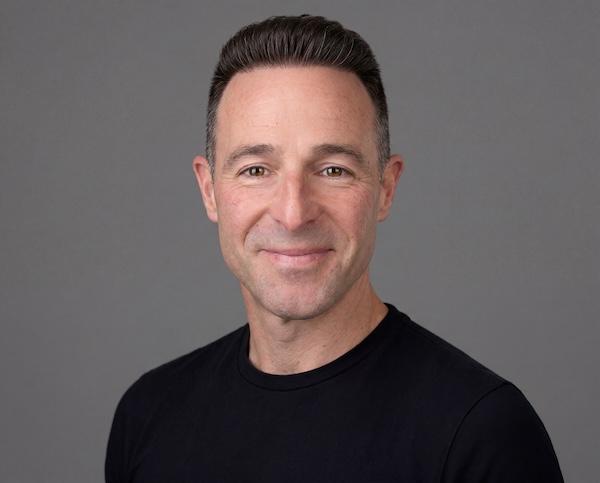
Author: Mark Ainely | Partner GC Realty & Development & Co-Host Straight Up Chicago Investor Podcast
Not sure if your rent is right? 👉 Get a free analysis: gcrealtyinc.com/free-rental-analysis
House hacking in Chicago isn’t dead — it just requires discipline, patience, and the right strategy. On this episode of the Straight Up Chicago Investor Podcast, Zach Posey joins Mark Ainley and Tom Shallcross to break down how he built a growing Chicago multifamily portfolio using FHA financing, strategic renovations, refinancing at the right time, and even assuming a VA loan at 3.5%.
Zach didn’t chase 20-unit buildings or syndications. He focused on quality 4-units in strong North Side neighborhoods, improved them thoughtfully, treated residents well, and allowed time to do the heavy lifting. This episode is a masterclass in long-term Chicago investing and what steady growth really looks like.
Why Strategic House Hacking Still Works in Chicago
Many investors assume house hacking only worked “pre-2020.” Zach proves otherwise.
Buy 3–4 unit buildings in strong neighborhoods
Live in one unit
Renovate as units turn
Refinance when equity is created
Repeat every few years
Instead of chasing fast appreciation or risky value-add plays, Zach leaned into:
Location quality
Long-term demand
Stable financing
Relationship-driven networking
Chicago’s North Side fundamentals continue to reward disciplined operators who understand neighborhood dynamics and tenant expectations.
Zach’s Core Strategies for Scaling with Small Multifamily
Buy in Prime North Side Neighborhoods
Zach focused on Avondale, Roscoe Village, and strong A/B locations with long-term demand drivers.
Renovate Intentionally
Adding bathrooms, upgrading kitchens, installing in-unit laundry, and improving layouts created meaningful rent growth.
Refinance Smartly
After renovating his first 4-unit, he refinanced from 3.75% to 3.125%, dropped PMI, and lowered his payment by roughly $700 per month — dramatically improving cash flow.
Leverage Assumable Financing
On a later acquisition, Zach assumed a 3.5% VA loan. While it required significant upfront capital, it locked in long-term stability that would be impossible to replicate today.
Treat Residents Like Long-Term Partners
Transparent communication during renovations led to tenants returning at higher rents post-renovation — without conflict.
Real Deals, Real Equity Growth
Avondale 4-Unit (2019 FHA House Hack)
Purchase: $635,000
Rehab: ~$125,000–$150,000
Refinance improved monthly cash flow by ~$700
Roscoe Village 4-Unit (2022 Purchase)
Purchase: $900,000
Rehab: ~$150,000
Appraised near $1.4M within a year
Estimated equity growth: ~$600,000+
Assumable VA Loan 4-Unit
Purchase: Just over $1,000,000
Interest Rate Assumed: 3.5%
Structure included a 4-bed / 2-bath duplex-up
These were not speculative flips. These were strategic long-term holds in premium locations.
Q&A: Common Chicago House Hacking Questions
Q: Is house hacking still viable in Chicago at today’s prices?
A: Yes, but only in strong locations and with disciplined underwriting. Appreciation and refinance strategy matter more than immediate cash flow.
Q: What neighborhoods are best suited for long-term small multifamily holds?
A: North Side A and B neighborhoods with strong transit, lifestyle appeal, and limited new supply continue to perform best.
Q: How important is networking for first-time Chicago investors?
A: Critical. Zach built his team — lender, GC, CPA, agent — entirely through local meetups like Chicago Multifamily Club and Windy City REI.
Q: What’s the biggest mistake new house hackers make?
A: Rushing into a deal without touring enough properties or understanding neighborhood-level rent ceilings.
Q: Why would someone assume a VA loan instead of getting new financing?
A: Locking in a 3.5% rate in a 7% environment creates massive long-term stability. The tradeoff is a larger upfront cash requirement.
Q: How should landlords handle tenant communication during renovations?
A: Be transparent. Give advanced notice. Offer options. Treat residents with respect — it protects both your reputation and retention.
Q: How often should investors aim to acquire properties?
A: Zach’s approach was roughly one building every two years — steady growth without overextension.
Q: What’s Zach’s long-term investing philosophy?
A: Focus on passive income targets rather than door count. Build flexibility, not ego-driven scale.
Show Notes & Timestamps
00:00 – Zach’s background and move to Chicago
04:10 – First FHA 4-unit in Avondale
11:20 – Sewer issues and early landlord lessons
17:45 – Refinancing strategy and removing PMI
23:30 – Roscoe Village 4-unit acquisition
31:10 – Converting units to 2 bed / 2 bath layouts
38:50 – Assumable VA loan strategy
45:00 – Chicago long-term outlook
50:15 – Wrap up round
Takeaways for Chicago Property Managers & Landlords
House hacking still works when paired with strong neighborhoods
Refinancing strategy compounds long-term returns
In-unit laundry and bathroom additions drive meaningful rent growth
Assumable loans are an underutilized opportunity
Treating residents well improves long-term outcomes
One building every two years can create seven figures in equity
Chicago fundamentals remain strong for disciplined investors
Guest Name: Zach Posey
Guest Company: Chicago Multifamily Club
Guest Company Website: https://www.linkedin.com/in/zach-posey-63a94522
Because finding good tenants and property management shouldn’t feel like online dating.
Dear Investor,
If you are an investor in either the city or suburbs of Chicago, I would love to speak with you about how we can help you on your real estate journey. At GC Realty & Development LLC, we help hundreds of Chicagoland real estate owners and brokers each year manage their assets with both full service property management and tenant placement services.
We understand that every investor’s goals are unique, and we love learning about each client’s individual needs. If there is an opportunity to help you buy back your time by managing your rental property or finding quality tenants, please check us out.
Best Investing,

Founder, Partner, Podcast Co-Host, and Investor